

Table of Contents
- Why Portable Hydration Gear for Dogs Matters on the Trail
- Essential Features for Dog Water Bottles and Bowls
- Outdoor Pet Flip Cup Water Bottle: All-in-One Hydration
- Portable Water Bottle Attachments: Lightweight and Leak-Proof
- Foldable Silicone Bowls: Space-Saving Solutions for Travel
- Signs of Dehydration in Dogs: When to Offer Water
- Dog Hiking Gear Checklist: What to Pack for Active Adventures
- Quick Comparison Table
- Frequently Asked Questions
Last Updated: October 4, 2026
Why Portable Hydration Gear for Dogs Matters on the Trail
Active dogs lose fluids quickly during outdoor adventures. Whether your dog is hiking steep terrain, running alongside your bike, or playing fetch at the beach, maintaining steady water intake prevents dehydration and keeps them safe and energized.
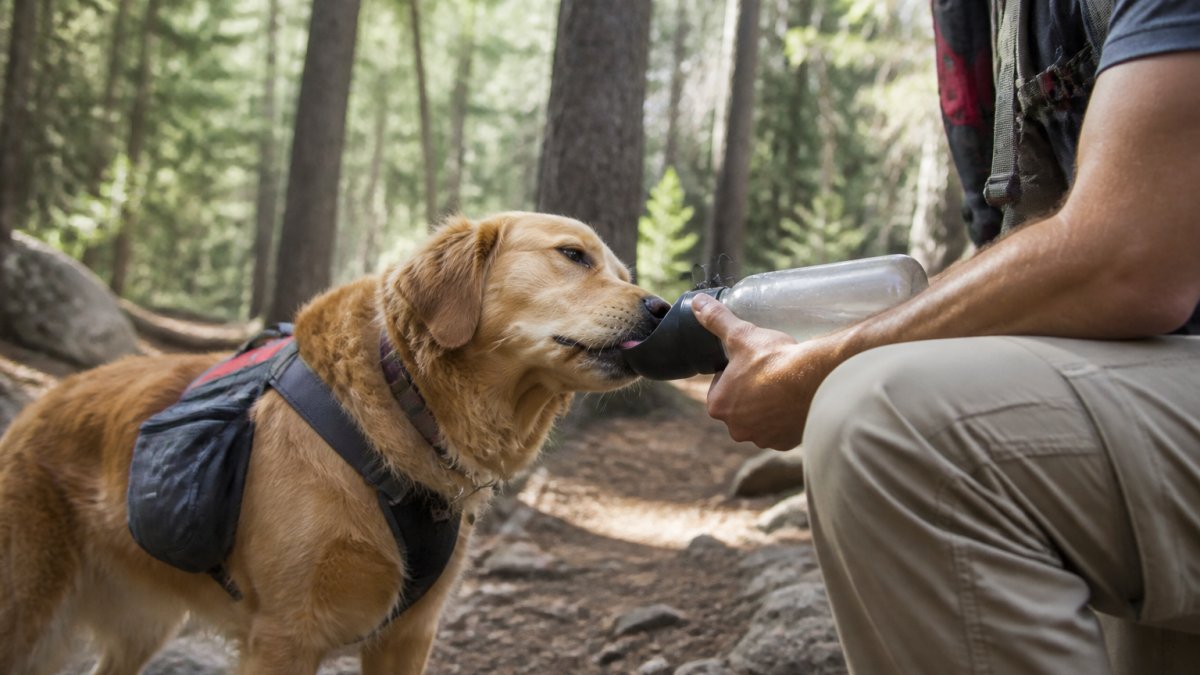
The challenge is carrying water conveniently without weighing down your pack. Dogs can't signal thirst until it's too late, so portable hydration gear keeps water accessible and lightweight throughout your adventure.
The right portable hydration gear for dogs solves common problems, leaking bottles, tipping bowls, forgotten gear, turning water management into a seamless part of your routine.
Essential Features for Dog Water Bottles and Bowls
When selecting portable hydration gear for dogs, key features separate practical gear from novelties.
Leak-proof design is essential. Look for secure seals and tight-fitting lids that won't pop open under pack pressure.
Capacity matters based on your dog's size and trip length. Most portable systems range from 350ml to 580ml. For longer adventures, consider attachments to your existing water bottle rather than separate containers.

Materials affect durability and safety. Food-grade silicone, BPA-free plastics, and stainless steel are standard. Ensure all materials contacting water are explicitly food-safe.
Lightweight design keeps your pack manageable. Foldable bowls compress flat, and attachments add minimal weight.
Wide-mouth openings make filling, cleaning, and drinking easier for your dog.
Outdoor Pet Flip Cup Water Bottle: All-in-One Hydration
The Outdoor Pet Flip Cup Water Bottle combines everything you need in a single, carry-friendly package. With 580ml capacity, it holds enough water for most day hikes without becoming unwieldy.
The standout feature is the flip-open lid that doubles as a drinking bowl, no separate gear needed. The contoured surface prevents spills and fits your dog's mouth naturally.
Silicone and ABS plastic construction keeps it lightweight and durable. The carry handle threads onto backpack straps or carabiners. Available in five colors.
At $24.99, you're paying for integration, bowl and bottle in one eliminates separate items.
Portable Water Bottle Attachments: Lightweight and Leak-Proof
If you already carry a personal water bottle on hikes, the Portable Dog Water Bowl | Travel Drinking Trough Attachment eliminates the need for dedicated dog hydration gear.

This attachment screws onto standard mineral water bottles (30mm diameter, M3 metric thread). The squeeze-to-flow mechanism gives precise control, preventing waste and spills. The trough lets your dog drink without water poured over their face.
At $11.99, it's the most economical option. The wrist strap aids control, and the compact 13 x 9cm size fits any pack pocket.
The tradeoff: compatibility and training. Compatibility is limited to standard mineral bottles. The squeeze mechanism requires deliberate hand control; you can't let your dog self-serve.
Many dogs are unfamiliar with drinking from a trough. Training your dog before your first trail adventure ensures reliable hydration.
How to acclimate your dog to a bottle attachment:
Start indoors. Fill the attachment and hold it at mouth level. Gently squeeze water into the trough, most dogs lick instinctively. Reward with praise. Repeat 3-5 times over several days, gradually reducing squeeze volume so your dog learns to lap.
Once confident indoors, practice in your yard at different heights and angles. Redirect to the trough if your dog bites the bottle or nudges your hand instead of drinking.
If hesitant, wet their nose first, then present the trough. Practice during hot weather or after light exercise when thirst is higher.
Test the attachment on a short hike before a full-day adventure to confirm reliable drinking.
Foldable Silicone Bowls: Space-Saving Solutions for Travel
Foldable bowls address the core problem of wasted pack space. The Portable Silicone Pet Bowl with Lid & Carabiner collapses to 2cm when empty.

At 350ml capacity, it suits smaller dogs and shorter outings. The secure lid prevents spills. The carabiner clips to your leash or backpack for instant access.
Outdoor Pet Flip Cup Water Bottle →
At $15.99, you get reliable, food-safe functionality without bulk. The trade-off is capacity, 350ml is modest for larger breeds or longer hikes.
The Foldable Silicone Double Dog Bowl at $19.99 offers a different advantage: separate compartments for food and water. This prevents water from diluting kibble and lets you offer both simultaneously without switching bowls. The double-bowl design is particularly useful for multi-hour hikes where you want to offer snacks alongside water.
Available in Green, Red, and Blue, both bowls fold completely flat and rinse clean easily.
Signs of Dehydration in Dogs: When to Offer Water
Recognizing dehydration early prevents serious health issues on the trail. Dogs can't communicate thirst the way humans do, so understanding physical signs and your dog's individual risk profile is essential.
Early warning signs include excessive panting beyond what exertion alone explains, or reluctance to continue activity. A dehydrated dog may lag behind, move more slowly, or show less enthusiasm for the hike. Dry gums and a tacky tongue indicate fluid loss.
More serious indicators include sunken eyes, loss of skin elasticity (pinched skin doesn't snap back quickly when released), or lethargy. If your dog collapses, vomits, becomes unresponsive, or exhibits excessive drooling, stop immediately and seek veterinary care, these are emergency signs.
Breed-specific hydration needs vary significantly. Brachycephalic breeds (Bulldogs, Pugs, Boston Terriers, Shih Tzus) are at much higher risk of heat-related dehydration because their flattened airways make cooling through panting less efficient. These breeds need water offered every 10-15 minutes during activity, even in moderate temperatures.
High-endurance breeds (Border Collies, Australian Shepherds, Vizslas) can sustain longer activity periods but still need consistent water access; their drive to work often overrides natural thirst signals, so you must enforce regular drinking breaks.
Prevention is simpler than treatment. Offer water regularly throughout your adventure, not just when your dog appears thirsty. Small, frequent drinks (a few laps every 15-20 minutes) are better than one large offering, which can cause stomach distension or vomiting during continued exertion.
Environmental factors amplify dehydration risk. Hot, humid conditions increase fluid loss through panting. High altitude reduces oxygen availability and increases respiratory rate, accelerating dehydration. Sandy or snowy terrain reflects heat and intensifies UV exposure, speeding fluid loss even in cool temperatures.
Post-adventure hydration matters too. After a hike, offer water in small amounts over 30-60 minutes rather than allowing your dog to drink a large volume immediately. Rapid rehydration after intense exercise can trigger bloat, a life-threatening condition.
Dog Hiking Gear Checklist: What to Pack for Active Adventures
Hydration is one piece of a larger adventure kit. A comprehensive checklist ensures you're prepared for the full range of conditions your dog might face.
Water and hydration: Your chosen portable hydration gear for dogs (bottle, bowl, or attachment), plus a personal water bottle for refilling. Carry more water than you think you'll need, running out mid-hike forces you to cut your adventure short.
Food and treats: High-energy dogs burn calories quickly. Pack lightweight, nutrient-dense snacks like freeze-dried meat or energy bars formulated for dogs. Bring more than you'd offer at home, trail activity increases caloric needs.
First aid essentials: Paw balm for rough terrain, gauze and antiseptic for minor cuts, and any medications your dog takes regularly. A small first aid kit adds minimal weight and prevents minor injuries from becoming serious problems.
Waste management: Biodegradable poop bags keep trails clean and are legally required in many areas. Pack out what you pack in, leave no trace protects the environment and other trail users.
Sun and weather protection: A lightweight dog jacket for cold weather, or a cooling vest for hot hikes. Consider a dog-specific sunscreen for extended exposure, especially on snowy or sandy terrain where UV reflection intensifies.
Identification and safety: Ensure your dog wears a collar with ID tags and is microchipped. Consider a GPS tracker if hiking in areas where your dog might wander. A lightweight leash or long line gives you control in populated areas or near wildlife.
Comfort items: A packable dog bed or blanket for rest breaks, and a collapsible water bowl for you to share water with your dog (or your own hydration bottle with a dog attachment). Familiar toys can calm anxious dogs in new environments.
Quick Comparison Table
| Product | Capacity | Price | Best For | Key Advantage |
|---|---|---|---|---|
| Outdoor Pet Flip Cup Water Bottle | 580ml | $24.99 | Day hikes, all-in-one simplicity | Built-in bowl, no separate gear needed |
| Portable Water Bottle Attachment | N/A (uses your bottle) | $11.99 | Minimal weight, existing bottle users | Most economical, lightest option |
| Portable Silicone Pet Bowl with Lid & Carabiner | 350ml | $15.99 | Shorter trips, smaller dogs | Ultra-compact, carabiner attachment |
| Folding Silicone Portable Pet Bowl | Variable | $22.99 | Multi-hour hikes, dual-purpose feeding | Double-bowl design for food + water |
| Foldable Silicone Double Dog Bowl | Variable | $19.99 | Balanced capacity and features | Separate compartments prevent mixing |
Keeping your dog hydrated on adventures isn't complicated once you have the right gear. The portable hydration options from WiggyButts Adventure Co. handle everything from quick neighborhood walks to full-day mountain hikes. Each system balances weight, capacity, and convenience differently, your choice depends on your dog's size, your typical trip length, and how much gear you're willing to carry. Start with what fits your most common adventure type, then expand your collection as you discover what works best for your pup's needs. Shop our selection of portable hydration gear for dogs and explore the full range of adventure gear designed to keep your furry family member happy, hydrated, and ready for whatever trail awaits.
Frequently Asked Questions
What are the signs of dehydration in dogs during outdoor activities?
Watch for excessive panting, dry gums, lethargy, and loss of skin elasticity. A dehydrated dog may also have sunken eyes or refuse to continue activity. Check your dog's gums, they should be moist and pink. On hikes, offer water every 15-20 minutes to prevent dehydration before symptoms appear. Older dogs and short-nosed breeds are more vulnerable to dehydration.
How much water should a dog drink while hiking?
Most active dogs need 30-60 ml of water per kilogram of body weight daily, plus extra during exercise. On a hike, offer water every 15-20 minutes in small amounts rather than one large drink. A 25-kilogram dog on a moderate hike might need 250-500 ml over a few hours. Adjust based on temperature, terrain difficulty, and your dog's fitness level. Cooler weather means less water loss; hot days require more frequent breaks.
What capacity should I choose for my dog's size?
Small dogs under 10 kg do well with 350 ml capacity (like the Portable Silicone Pet Bowl). Medium dogs (10-25 kg) benefit from 500-600 ml bottles such as the Outdoor Pet Flip Cup Water Bottle at 580 ml. Large dogs over 25 kg may need multiple refills on longer hikes or a larger capacity system. Consider your hike length and water availability along the trail when selecting capacity.
Are silicone bowls safe for dogs to drink from?
Yes, food-safe silicone is BPA-free and safe for dogs. The silicone bowls in our collection use durable, food-safe TPE material that's easy to clean and non-toxic. Silicone is lightweight, doesn't retain odors or bacteria like plastic can, and won't crack or chip like ceramic. Rinse thoroughly after each use and inspect for any tears before trips.
Can I use a standard water bottle with a dog water attachment?
Yes, the Portable Dog Water Bowl attachment is designed to work with standard mineral water bottles with an M3 metric thread and 30mm diameter. This makes it ideal if you're already carrying your own water bottle on hikes. The squeeze-to-flow design prevents spills and waste, water only flows when you squeeze, then returns to the bottle when released, keeping your pack dry.